Weather is more than rainfall
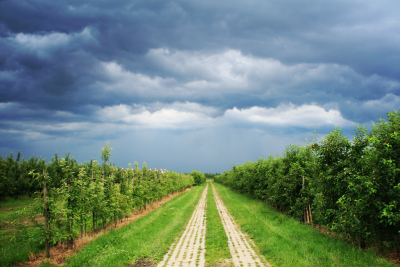
Rainfall is often treated as a simple input – it rains, soil moisture increases, and irrigation is reduced. In practice, the contribution rainfall makes to soil moisture is influenced by several factors. Intensity matters. Some soils can absorb rainfall quickly, while others shed water if rainfall exceeds their infiltration rate. Crop canopy also plays a role, intercepting rainfall before it ever reaches the soil surface. Even when rain does reach the ground, surface condition matters – bare soil, residue cover, compaction, and cracking can all change how much infiltrates and how much is lost.
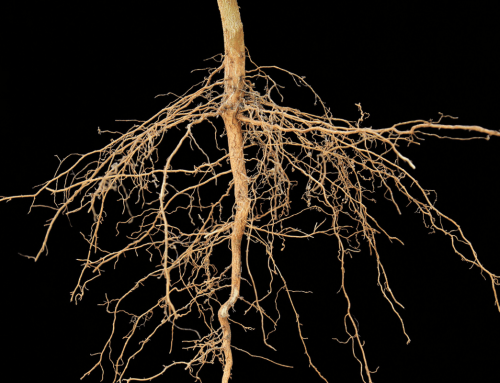
Rainfall also behaves differently from irrigation in how it wets the soil. Unlike drip or sprinkler systems that target specific zones, rainfall is applied across the entire field. That broader wetting pattern affects more than just the topsoil. During prolonged wet periods, plant roots may extend beyond the normally irrigated area, accessing moisture stored deeper or laterally in the soil profile. When conditions return to dry, this additional moisture is gradually used, changing how irrigation behaves once it resumes. In practice, this is one reason a paddock can “hold on” longer than expected after a wet spell, and why returning to a normal schedule too quickly can lead to overwatering.
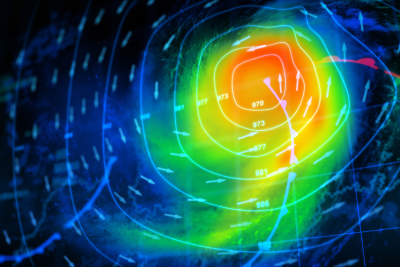
Weather is not just about what has already happened. Forecast conditions influence decisions just as strongly. Anticipating heat, wind, or extended dry periods allows irrigation plans to be adjusted before stress appears, rather than reacting after it occurs. Sometimes that means topping up ahead of a heat event. Sometimes it means holding off if cooler conditions or meaningful rainfall are likely. Either way, the goal is to stay ahead of the crop, not chase symptoms once they show up.
Understanding weather as a dynamic influence, not a static measurement, is fundamental to effective irrigation management.
Understand how weather influences your irrigation plan before stress appears.
Book a walkthrough to see how forecast and field data work together.