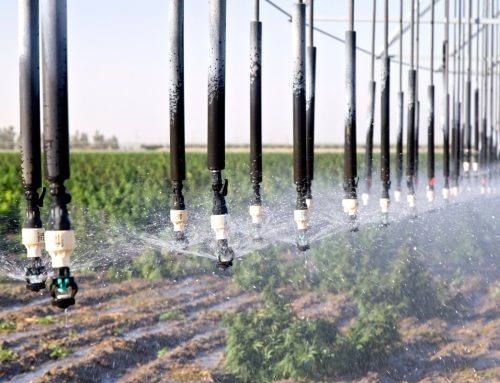
Infrastructure shapes outcomes
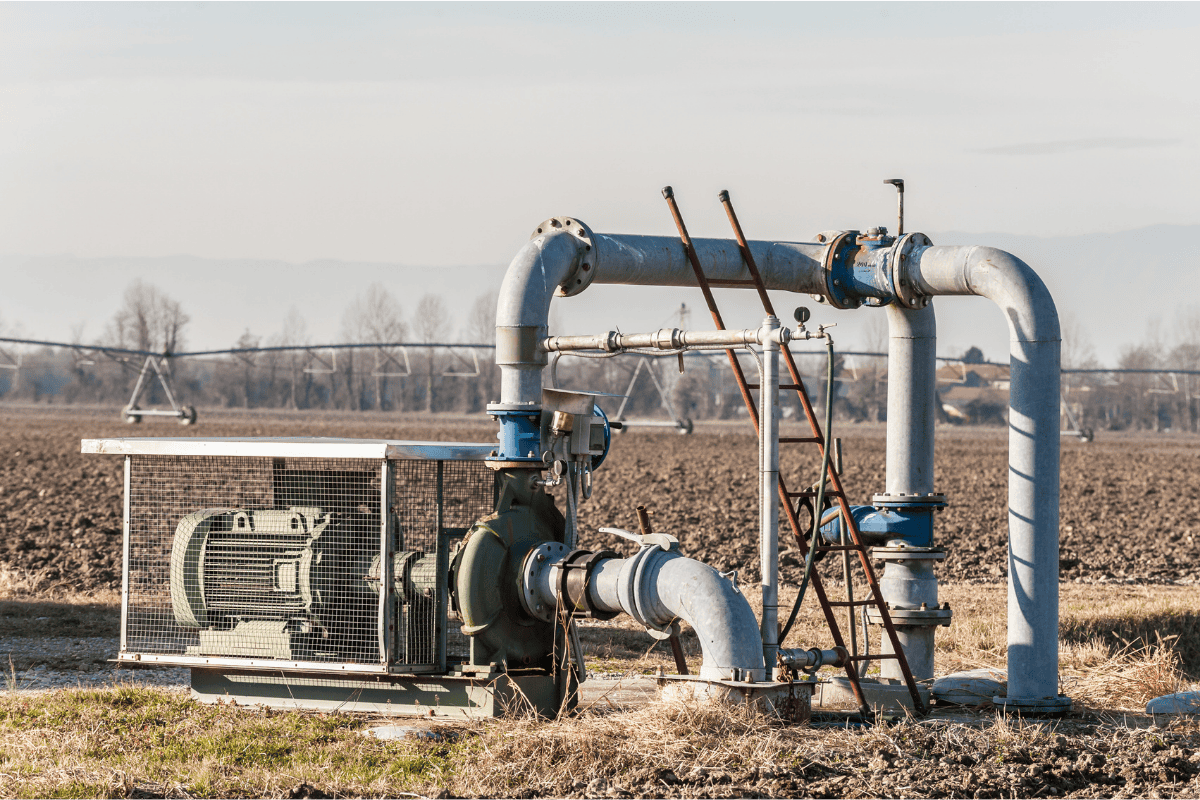
Irrigation outcomes are heavily influenced by the systems used to deliver water. Capacity limits, pressure variability, distribution uniformity, and the way a system is operated all shape what actually happens in the field.
On paper, two blocks might receive the same irrigation volume. In practice, the results can be very different. One block wets evenly and responds as expected. Another shows dry patches, over-application in places, or delayed response. The difference is often explained by infrastructure performance rather than crop demand.
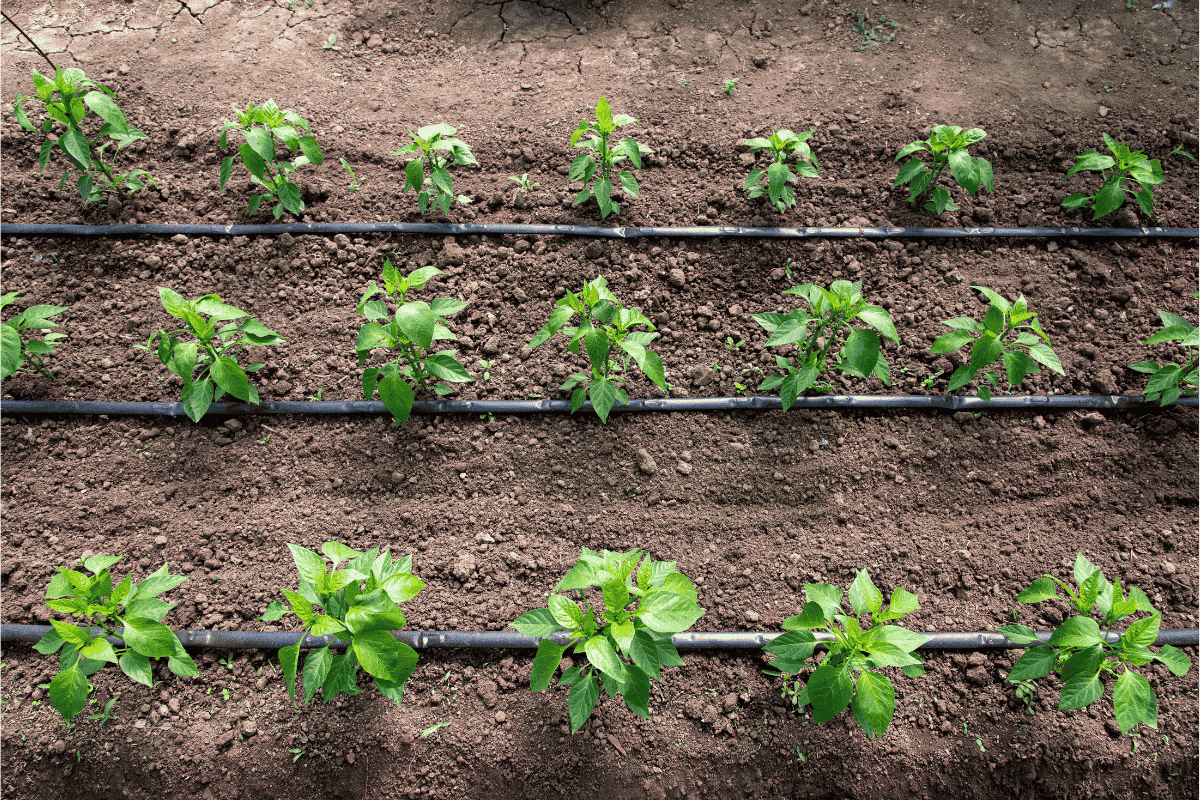
These constraints aren’t always obvious. They sit quietly in the background, influencing how flexible a schedule can be and how closely planned applications match what’s delivered. When they’re not understood, irrigation decisions drift toward theory rather than reality.
Infrastructure is part of the irrigation system, whether it’s acknowledged or not. When outcomes differ, it’s often due to the system delivering the water, not the plan.
Plan irrigation around real system performance, not assumptions.
Book a walkthrough to see how SWAN Systems helps align plans with delivery.