Blog | Irrigation First Principles
Evapotranspiration as a decision concept
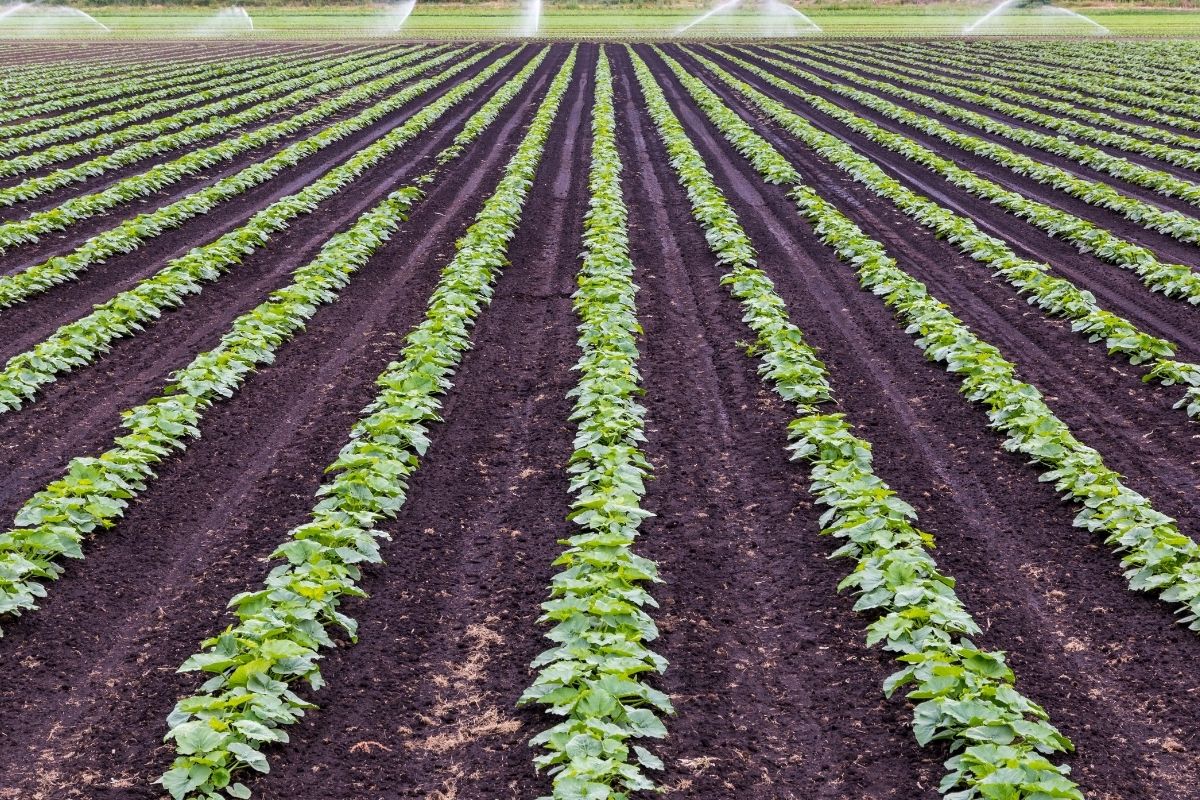
Evapotranspiration describes how water leaves the field.
It combines two processes: water used by plants through transpiration, and water lost from the soil surface through evaporation. Together, they represent the daily water demand placed on the system. One way to think about evapotranspiration is as “negative rainfall” – a daily drawdown on soil moisture reserves.
Because evapotranspiration cannot be measured directly at every site, reference evapotranspiration is used as a starting point. This reference value reflects atmospheric demand under standard conditions and is then adjusted to reflect the specific crop being managed. Crop size, canopy development, row spacing, growth stage, and plant health all influence how closely a crop follows that reference demand.

Evapotranspiration is not a fixed number. It changes with weather, crop development, and management decisions. Understanding it as a concept, rather than a calculation, helps irrigation managers anticipate when demand is rising, when it is easing, and how quickly soil moisture will be depleted.
Understand how daily water demand shapes your irrigation decisions before soil moisture is depleted.
Book a walkthrough to see how demand, soil moisture, and scheduling work together.