Blog | Irrigation First Principles
Irrigation management is more than just turning the taps on
Irrigation decisions are rarely as simple as they appear
From the outside, irrigation can look like a straightforward job. Water is available, crops need it, and there’s infrastructure in place to deliver it. But anyone responsible for irrigation knows it doesn’t work like that. Every decision sits at the intersection of plant behaviour, soil, weather, infrastructure limits, water availability, energy costs, compliance requirements, and plain old human effort.
Before irrigation even begins, you’re already making judgement calls.
How big is the plant right now? How deep are its roots? Are they actively growing, or has the plant shifted into a different phase of the season? And what about the crop itself – what does it tolerate well, and where is it sensitive? Some plants are quite fussy, and they’ll let you know when something’s off.
Then there’s the environment around it. Soil isn’t just “soil”. It’s texture, structure, infiltration, water-holding capacity, compaction, salinity – and whatever has happened to it over the last few weeks. And of course the weather plays its part too. Not just what happened yesterday, or what’s happening this morning, but what’s coming in the next few days when your decisions start to show up in the field.
Water adds another layer again.
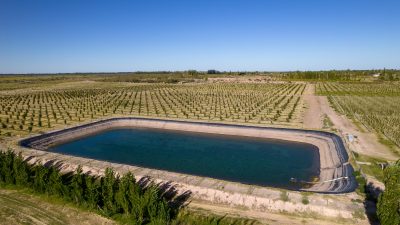
Where is it coming from? Do you have enough for today and tomorrow – and will you have enough to see out the season? Is the quality suitable, or does it need filtering, treatment, or blending? And once it’s applied, what happens next? Will it shift salts around? Affect groundwater? Create issues downstream or off-site?
And then… getting back to those taps.
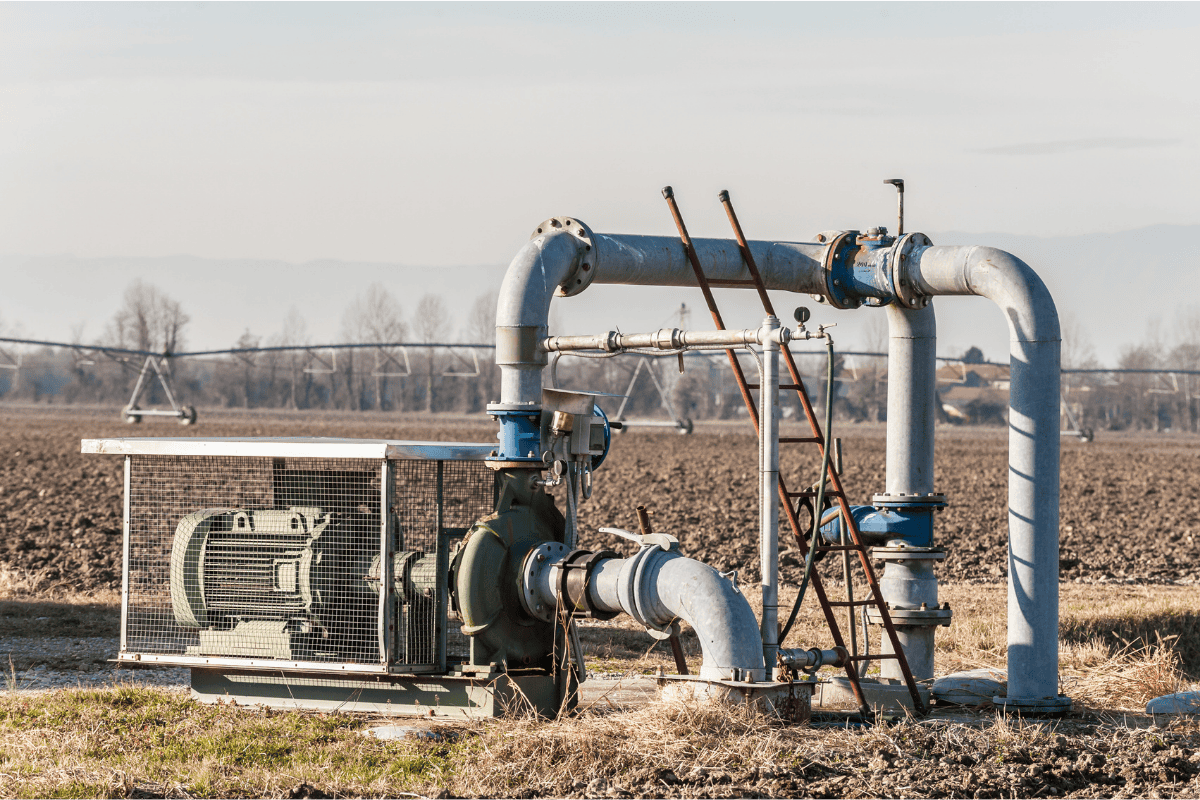
How is water actually getting from the source to the plants? Is the system capable of applying water evenly and reliably? Can it deliver the right amount at the right time – no more, no less – without unnecessary losses? And what does it cost, in energy and labour, to make that happen day after day?
Many people know the saying, “The best fertiliser is the farmer’s footsteps.” But it raises its own questions. Which part of the farm should your boots be walking today? What are you looking for when you get there? And when you see something that doesn’t look right, what action will you take?
Because none of this runs itself.
There’s planning, monitoring, adjusting, recording, communicating – and making sure what you intended is actually what happened. Do you have a plan that the team can follow? Do you have enough visibility to know whether you’re on track?
And then there’s the paperwork. Reporting to water providers, regulators, managers, investors, neighbours, and other stakeholders who increasingly want to understand not just how much water is being used, but how and why decisions are being made.
All of this points to a simple truth: irrigation management is not easy. It never has been. The challenge isn’t whether irrigation is worth the effort – most people involved already know that it is – but how to manage all of these moving parts with confidence and clarity.
This article is the first in a short series on the first principles of irrigation management. Not tools, not shortcuts, not formulas. Just the fundamentals that underpin good decisions, regardless of crop, region, or system. Understanding first principles doesn’t remove complexity, but it does make it manageable, and it makes it easier to explain decisions to everyone who depends on them.
Ready to move beyond reactive irrigation?
Book a walkthrough and see how structured planning supports better decisions across the season.