Blog | Irrigation First Principles
Soil as a buffer, not a container
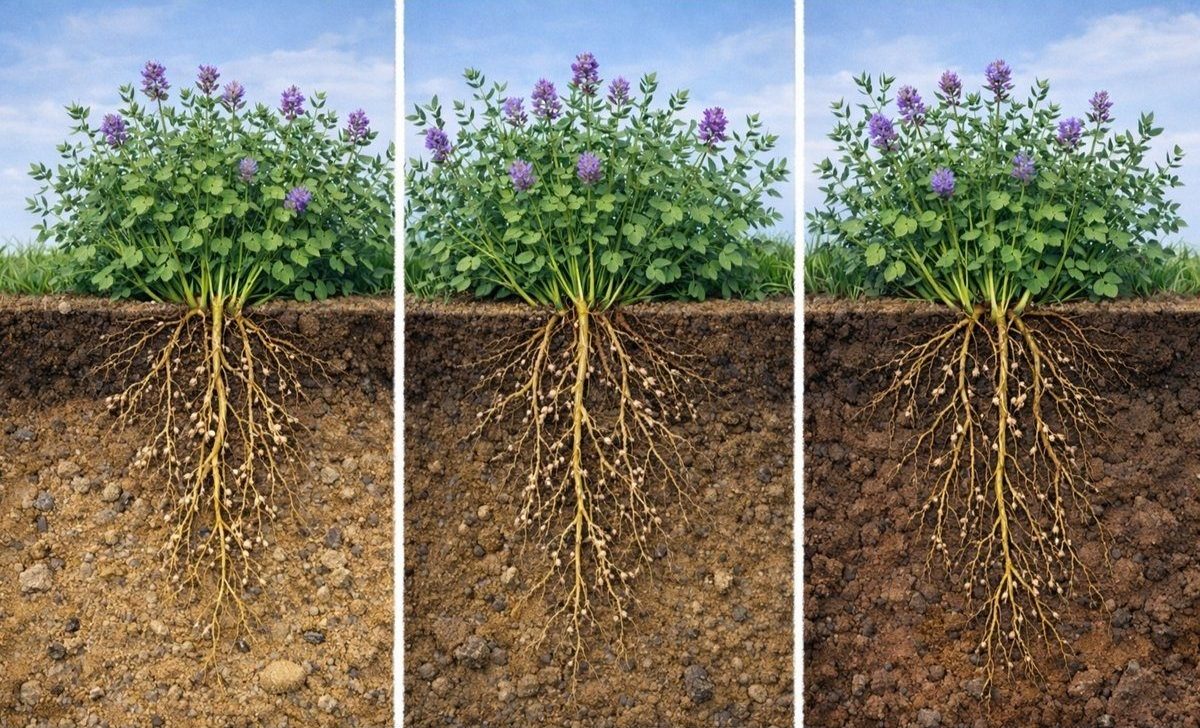
Soil is the buffer between water application and plant uptake.
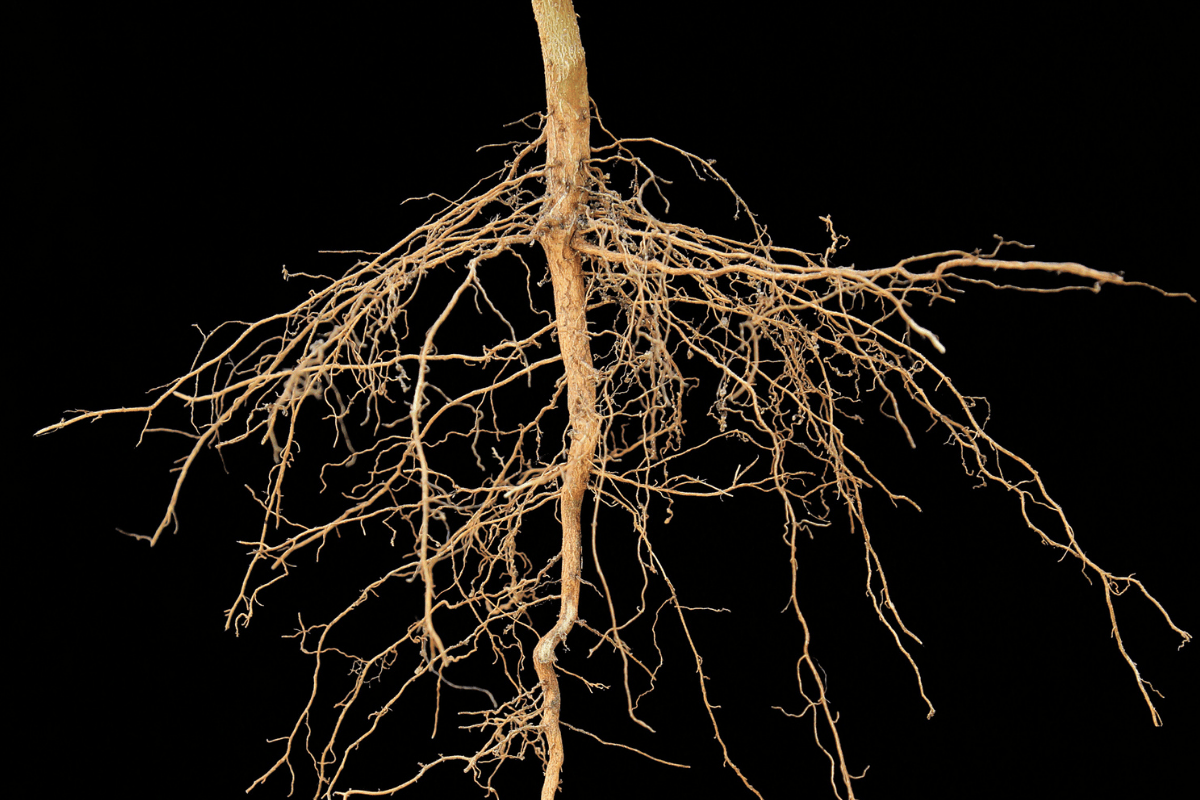
Different soils hold different amounts of water, drain at different rates, and absorb water differently. Concepts such as saturation, field capacity, and permanent wilting point describe how water behaves within the soil profile and how accessible it is to plant roots.
Field capacity is often a practical upper limit for irrigation management. Above this point, excess water drains beyond the rootzone and is no longer available to the crop. Below a certain point, plants experience increasing difficulty extracting water, even if some moisture remains present.
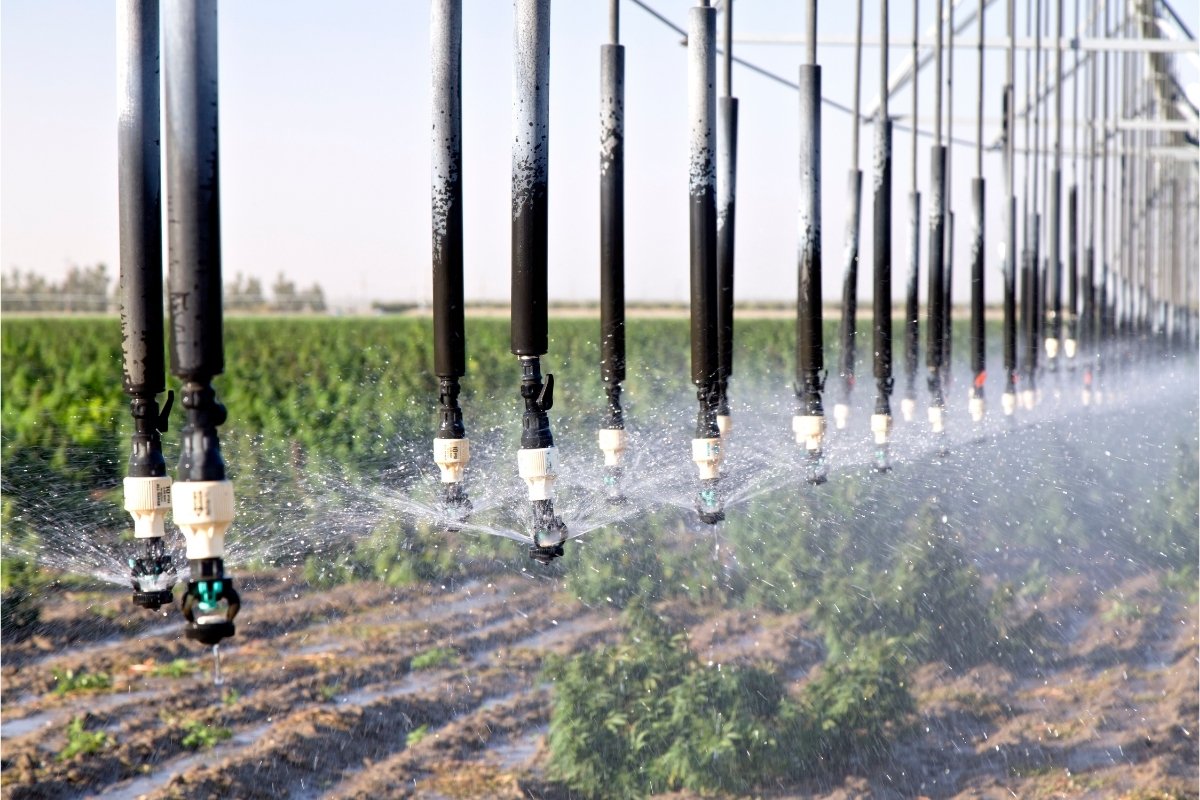
Understanding soil as a buffer highlights why timing matters as much as volume. Applying water when the soil can store it effectively supports consistent uptake. Applying water when the soil cannot absorb or retain it leads to losses, stress, or unintended consequences.
Understand how your soil stores and releases water before irrigation becomes reactive.
Book a walkthrough to see how soil buffering, timing, and scheduling work together.